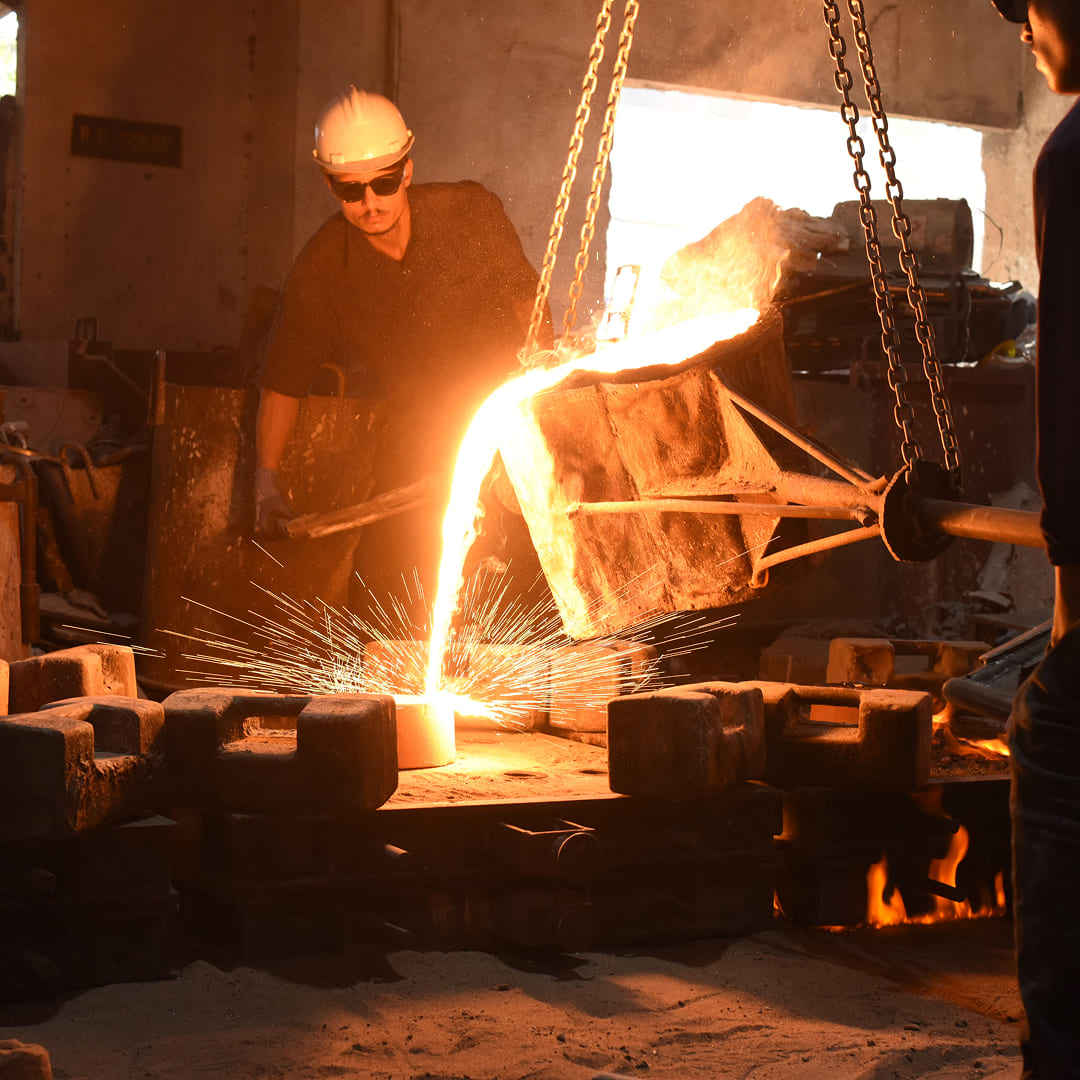
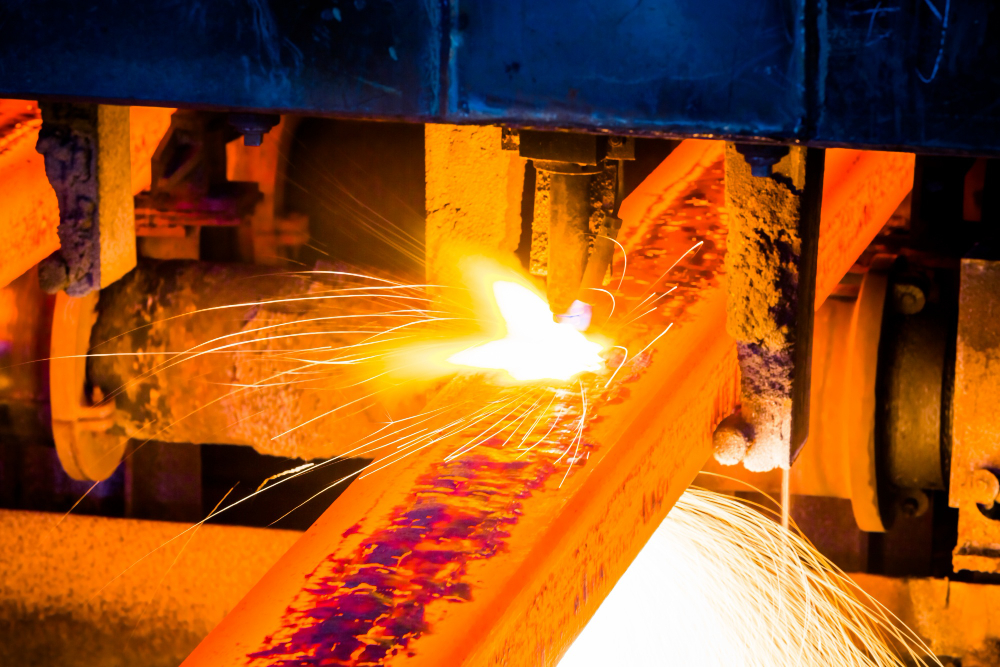
We manufacture high-performance casting wear solutions designed to withstand severe abrasive and impact conditions in industries such as concrete, mining, cement, asphalt and many other industries. Our foundry capabilities allow us to produce a wide range of wear-resistant grades, including high-chromium white irons, Ni-Hard, alloyed cast steels and specially developed wear alloys tailored to specific operating conditions. Each wear grade is carefully selected based on abrasion, impact, and service environment, ensuring optimum performance and extended component life. By combining material expertise with precise casting and heat-treatment control, we deliver consistent quality, reliable fitment, and superior wear resistance that helps industries reduce downtime and maintenance costs.
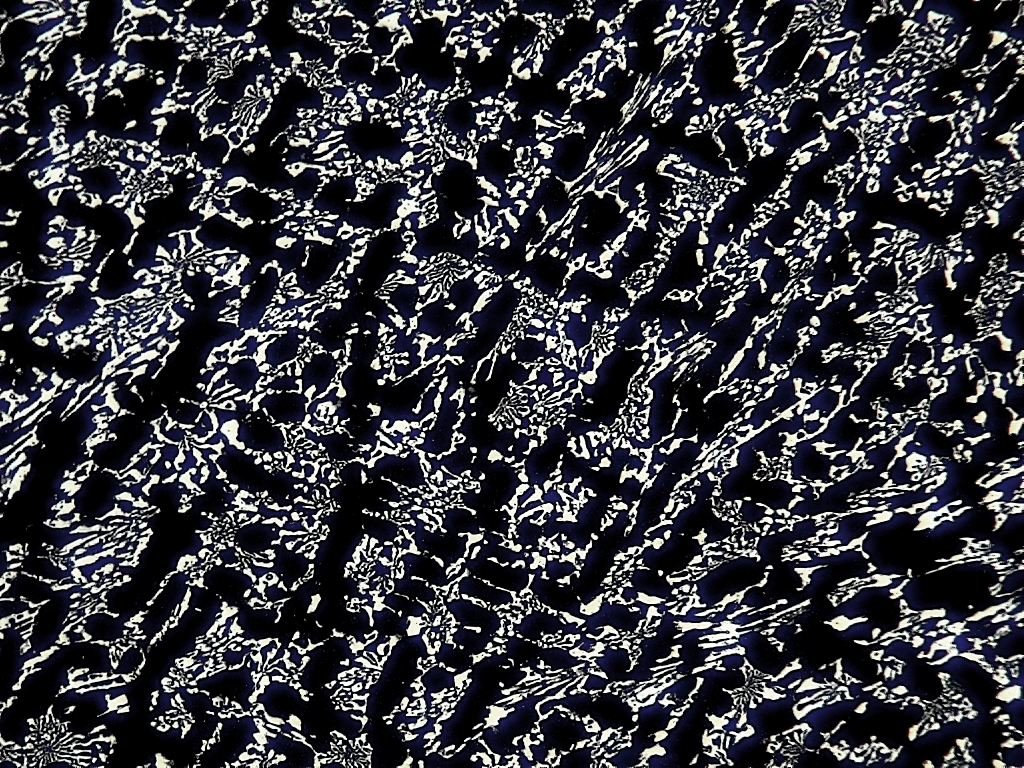
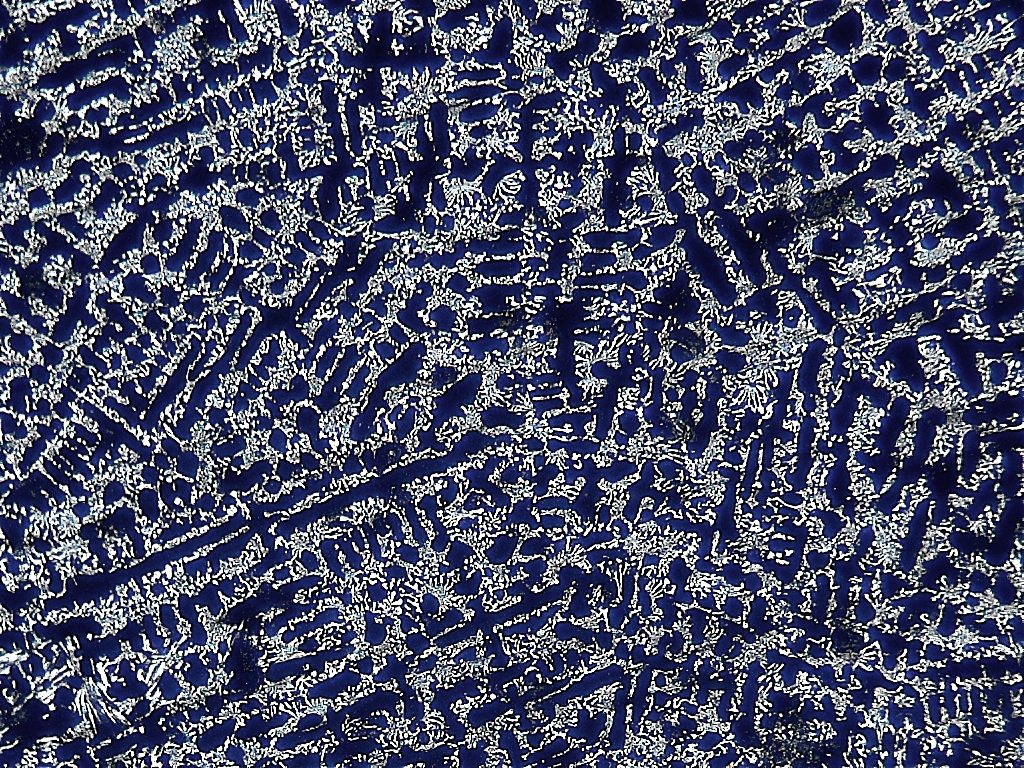
Abrasive-resistant white cast iron is a group of iron-based alloys designed to withstand severe wear in abrasive environments. The primary feature of this material is its high hardness, achieved through the formation of hard carbides during solidification. Here’s a detailed overview.
Abrasion resistant cast irons is classified into five broad groups based on alloying and microstructure.
Today the most widely used groups are nickel containing alloys, known as Ni-Hard & the other high chromium white irons.
Ni-Hard irons have four groups (Ni-Hard 1.2.3 & 4) that use nickel as the primary alloying element for hardenability. Here chrome is used to drive the formation of metal carbides over that of graphite.
Wherever toughness, abrasion and at times corrosion is required the high chrome family of abrasion resistant irons is preferred. Ideally the High chrome group of white irons are superior to Ni-hard.
Mn steels are simple and cheap to produce and offer excellent potential to replace expensive chromium iron alloy, which are known to possess high hardness and wear resistance but also to show critical limitations regarding ductility and toughness.
AMS offers the best combination of toughness and resistance to high stress and gouging abrasion. It is still used extensively, with minor modifications in composition and heat treatment, in several fields.
Castings in specific grades of steel or alloy depending on the application and required properties as per standards are manufactured. Parts particularly in construction equipment’s & mining applications like tooth point, adapters, Loader segment, Sizer Ring, Wear Cap, Lip End Protectors and many more
The low and medium carbon alloy steels contain varying amounts of nickel, chromium or molybdenum to enhance their durability and toughness, as well as their resistance to corrosion.
Cast alloy steels have been developed to operate under conditions requiring greater pressures, wear resistances, and higher strength with increased toughness and hardenability. The mechanical properties of these casting are engineered with carefully controlled alloying elements and heat treatment process to deliver enhance hardness, toughness and resistance to abrasion and fatigue.
Abrasive-resistant white cast iron is a group of iron-based alloys designed to withstand severe wear in abrasive environments. The primary feature of this material is its high hardness, achieved through the formation of hard carbides during solidification. Here’s a detailed overview.
Abrasion resistant cast irons is classified into five broad groups based on alloying and microstructure.
Today the most widely used groups are nickel containing alloys, known as Ni-Hard & the other high chromium white irons.
Ni-Hard irons have four groups (Ni-Hard 1.2.3 & 4) that use nickel as the primary alloying element for hardenability. Here chrome is used to drive the formation of metal carbides over that of graphite.
Wherever toughness, abrasion and at times corrosion is required the high chrome family of abrasion resistant irons is preferred. Ideally the High chrome group of white irons are superior to Ni-hard.
Mn steels are simple and cheap to produce and offer excellent potential to replace expensive chromium iron alloy, which are known to possess high hardness and wear resistance but also to show critical limitations regarding ductility and toughness.
AMS offers the best combination of toughness and resistance to high stress and gouging abrasion. It is still used extensively, with minor modifications in composition and heat treatment, in several fields.
Castings in specific grades of steel or alloy depending on the application and required properties as per standards are manufactured. Parts particularly in construction equipment’s & mining applications like tooth point, adapters, …………
The low and medium carbon alloy steels contain varying amounts of nickel, chromium or molybdenum to enhance their durability and toughness, as well as their resistance to corrosion.
Cast alloy steels have been developed to operate under conditions requiring greater pressures, wear resistances, and higher strength with increased toughness and hardenability. The mechanical properties of this alloy are determined by the percentage of carbon present along with other alloys. The harder and stronger the alloy becomes through heat treating. Because they can be processed to obtain a wide range of properties, carbon steels are found in a variety of applications like bucket teeth & adapters, Ground engaging tools Hip shrouds, side cutters,Heel shrouds & many others.