WEAR PERFORMANCE TEST
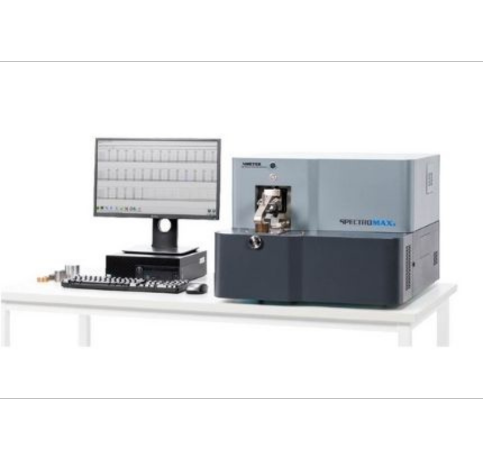
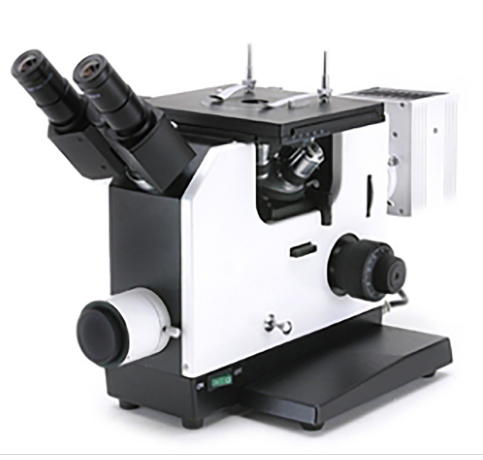
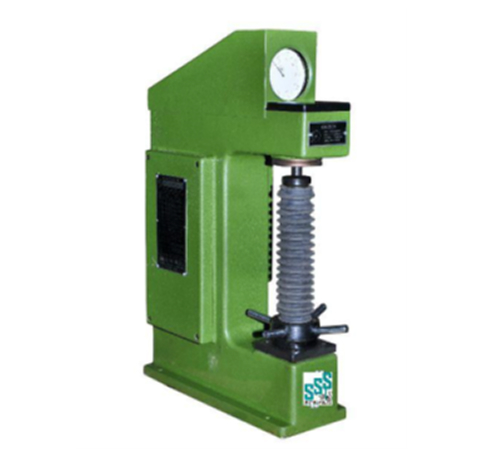
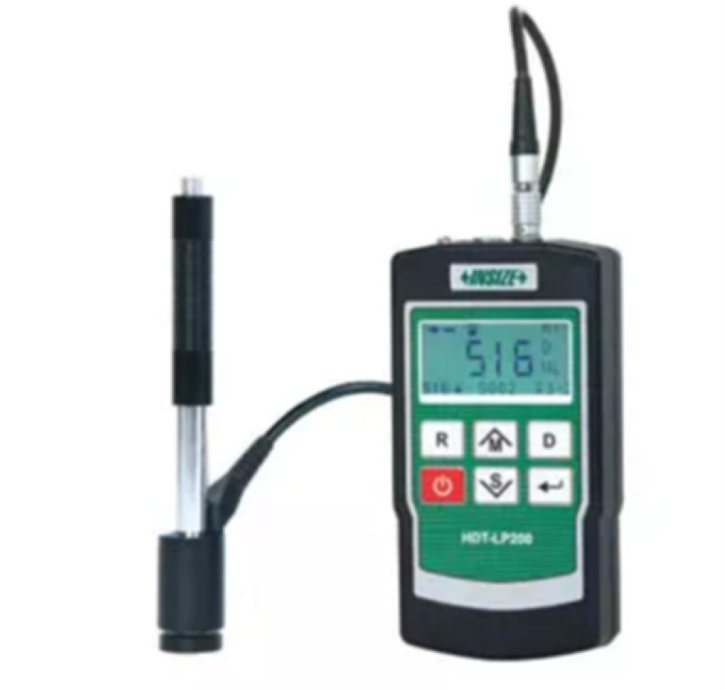
Quality testing in wear parts manufacturing is essential to ensure the parts meet the required durability, performance, and safety standards. These tests help assess the resistance to wear, impact, abrasion, and fatigue, which are critical for parts that operate in high-stress environments. Common methods of quality testing like chemical analysis, microstructure & hardness are conducted but to ensure that the wear parts manufactured will perform reliably, consistently in their intended applications and help reduce failures in the field we have dry sand abrasion test in our laboratory.
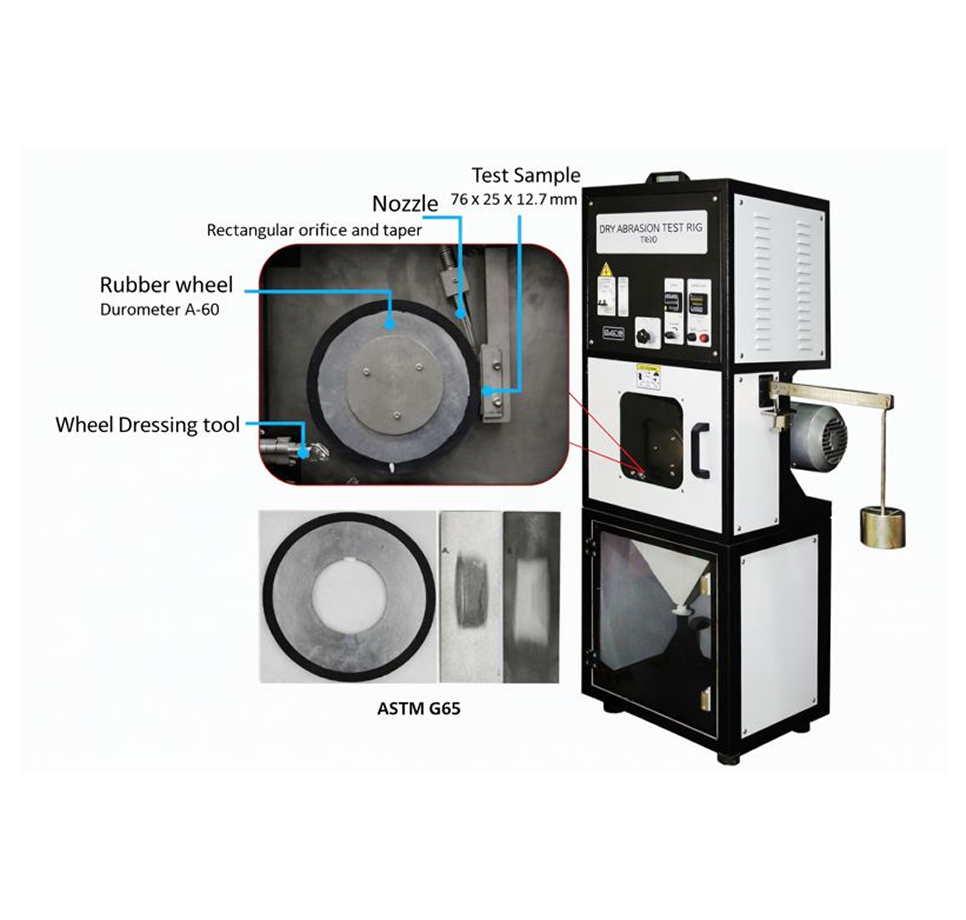
ABRASIVE WEAR RESISTANT TEST ASTM G65: DRY SAND RUBBER WHEEL TEST
The G65 Test helps to decide to rank the performance of different materials when exposed to a controlled, abrasive environment and also check the consistency of wear resistance manufactured.
The ASTM G65 test simulates sliding abrasion conditions under moderate pressure, using dry sand metered between a rubber wheel and a block coupon of the material being evaluated. The test allows comparison of wear-resistant materials by their volume loss in cubic millimetres, with materials of higher wear resistance showing lower volume loss.